LuminaSoft is a fictional SaaS company used here to illustrate a real pattern: a product company that needed to reach customers in Europe, the Middle East and Southeast Asia without rebuilding its website three times. Their story shows what the master-record model changes in practice.
The problem: three markets, three websites
Before FulinxCMS, LuminaSoft ran separate sites for each region. Content went out of sync, translations were duplicated, and SEO was a mess — every market had its own slugs, meta tags and sitemaps maintained by hand.
One record, thirty languages
They migrated to FulinxCMS and wrote every article once in English. AI then produced localized versions for German, French, Spanish, Arabic and the rest — each with per-language SEO: local slugs, local meta titles, local descriptions. No duplicated master records, no drift between markets.
The result in numbers
- 6 weeks to launch five new language sites, down from an estimated 6 months
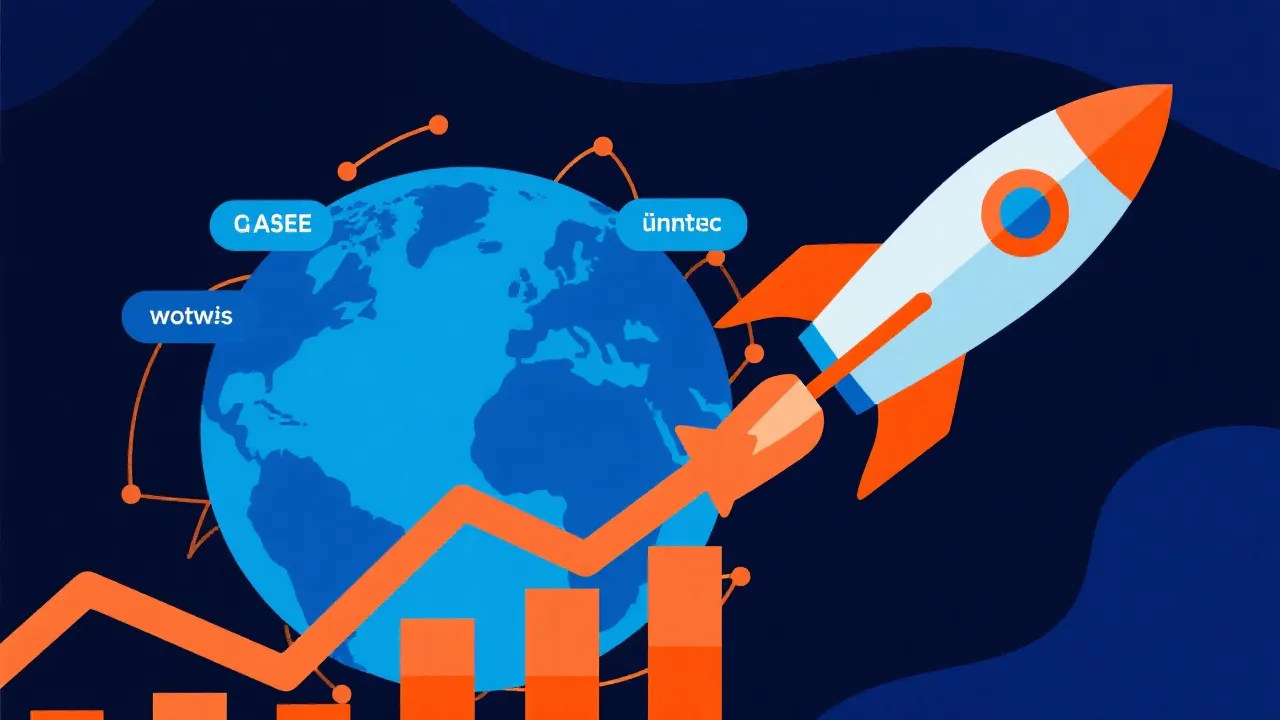
- 3.5× growth in organic traffic within two quarters
- 48% faster publishing for new content across all markets
Why this matters for your team
You do not need to be a global enterprise to benefit. Even two languages — say English and Chinese — become dramatically easier to manage when there is exactly one source of truth per piece of content.